WHERE WE WORK
Areas We Cover Across Yorkshire and the Humber
We are based in Kingston upon Hull and we work across the East Riding, North Yorkshire, West Yorkshire, South Yorkshire and north Lincolnshire. Every project gets the same architect from the first site visit to the last site inspection, whichever side of the county it sits on. Pick your town below and you will find the planning authority that decides your application and the services we run there.
How We Cover It
how we work across the county.
Our office is in Hull and our registered address is at White Rose Park in Leeds, which puts most of the region within a comfortable drive. In practice we group site visits so that a trip to Harrogate or Scarborough is a full day of useful work rather than a token half hour, and we schedule the survey visit early enough that nothing waits on it.
Coverage is not a marketing claim on this site. If a town is listed here, it is a town we take work in, and it is a town where we know which authority makes the decision and roughly how that authority behaves on householder applications. Where we think distance would genuinely make a project worse, we say so at the consultation instead of after you have paid for drawings.
- Free first consultation anywhere on this list
- Measured survey carried out in person, not from your deeds or an online plan
- One architect on the job from consultation to handover
- Residential and commercial projects across all thirty towns
- Site oversight during the build, not just at the drawing stage
Our Process
how we work.
Consultation
A free first conversation about the property, the budget and what you actually want out of the space.
Brief
We write down the scheme in enough detail that everyone is agreeing to the same thing.
Pre-Application
Where a scheme is finely balanced we test it with the local authority before it goes in formally.
Planning
Full drawing set, supporting statements, submission and officer liaison through to the decision.
Building Regulations
Construction drawings, structural coordination and the building control application.
On-Site Oversight
The architect who designed it visits the site and checks that what is built matches what was approved.
East Riding of Yorkshire
one practice, one point of contact.
You do not get handed from a designer to a builder to a project manager. The architect who draws the scheme is the person who answers the phone when a question comes up on site, in Hull or in Harrogate.
Planning Authorities
the authority changes, the process does not.
Seven different planning authorities cover the towns on this page, and they do not all read the same way. Hull City Council decides applications inside the city boundary. East Riding of Yorkshire Council covers everything from Hessle out to Withernsea, Bridlington and Goole. City of York Council sits as its own unitary authority, and North Yorkshire Council now covers Selby, Malton, Scarborough and Harrogate after the 2023 reorganisation absorbed the old district councils. Leeds City Council covers both Leeds itself and Wetherby, which catches people out. Doncaster is City of Doncaster Council, and south of the Humber you are dealing with North Lincolnshire Council.
What that means in practice is that the same extension can be assessed against a different local plan, a different set of householder design guidance and a different appetite for risk depending on which side of a boundary it sits. We read the policy that applies to your site rather than assuming the last scheme's answer carries over.
- Hull City Council for Kingston upon Hull
- East Riding of Yorkshire Council from Hessle to Bridlington and Goole
- City of York Council for York
- North Yorkshire Council for Selby, Malton, Scarborough and Harrogate
- Leeds City Council for Leeds and Wetherby
- City of Doncaster Council for Doncaster, North Lincolnshire Council south of the Humber
Distance and Site Visits
what happens when the site is an hour away.
The honest question behind a coverage page is whether an architect an hour up the road will actually turn up once the scaffolding is on. Ours is a design and build practice, so the site visits are not optional extras. They are how we know the wall is where the drawing says it is and the insulation went in before the plasterboard did.
Drawings, revisions and planning correspondence all happen remotely, and that part is genuinely no different in Scarborough than it is in Hessle. The parts that need a person on site are the measured survey at the start, the key construction stages during the build, and the sign off at the end. Those are booked in from the outset so that neither of us is negotiating a visit at short notice.
- Survey visit booked before any design work begins
- Planning and building regulations work handled remotely, at no cost to speed
- Site inspections scheduled around the build programme, not squeezed in
- Photographs and written notes after each visit so you can see what was checked
- One phone number and one email address for the whole project
Recent Work
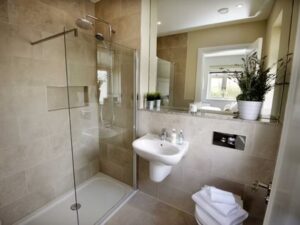
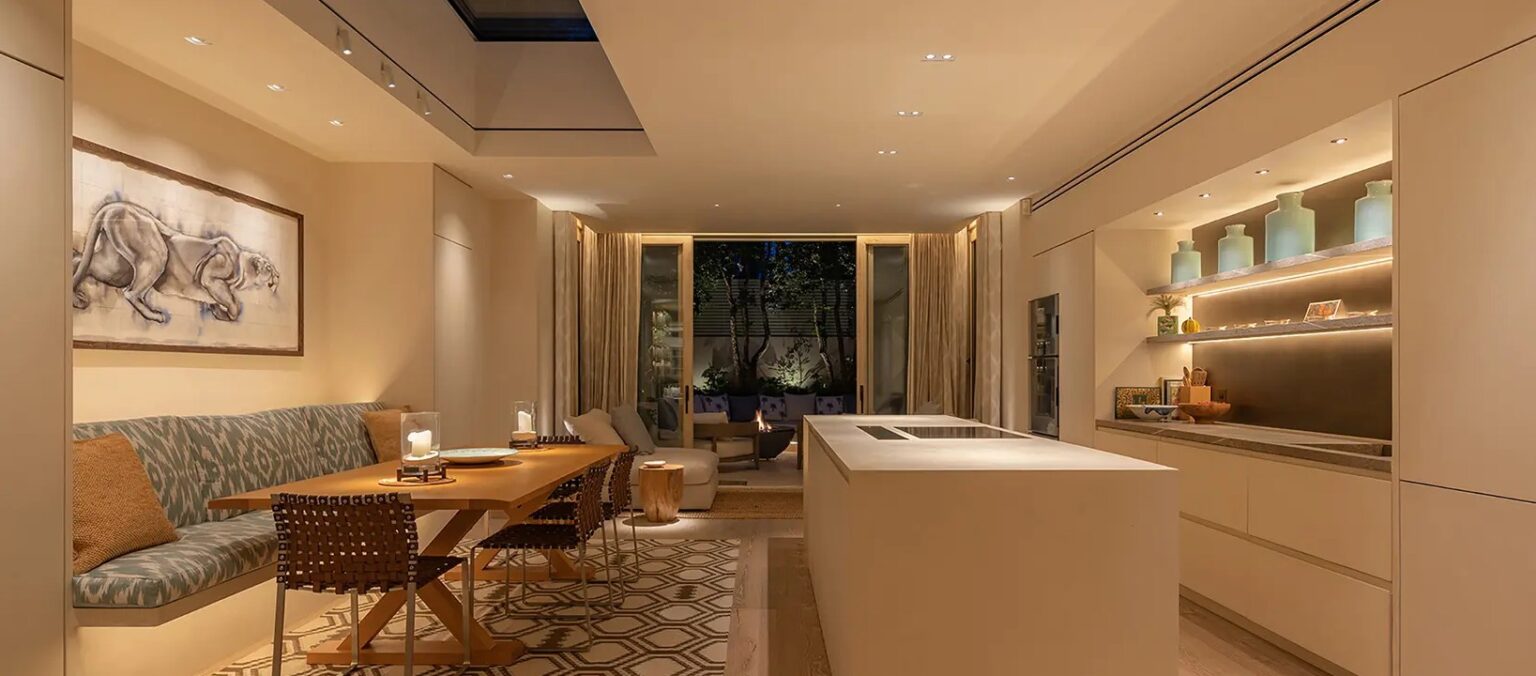
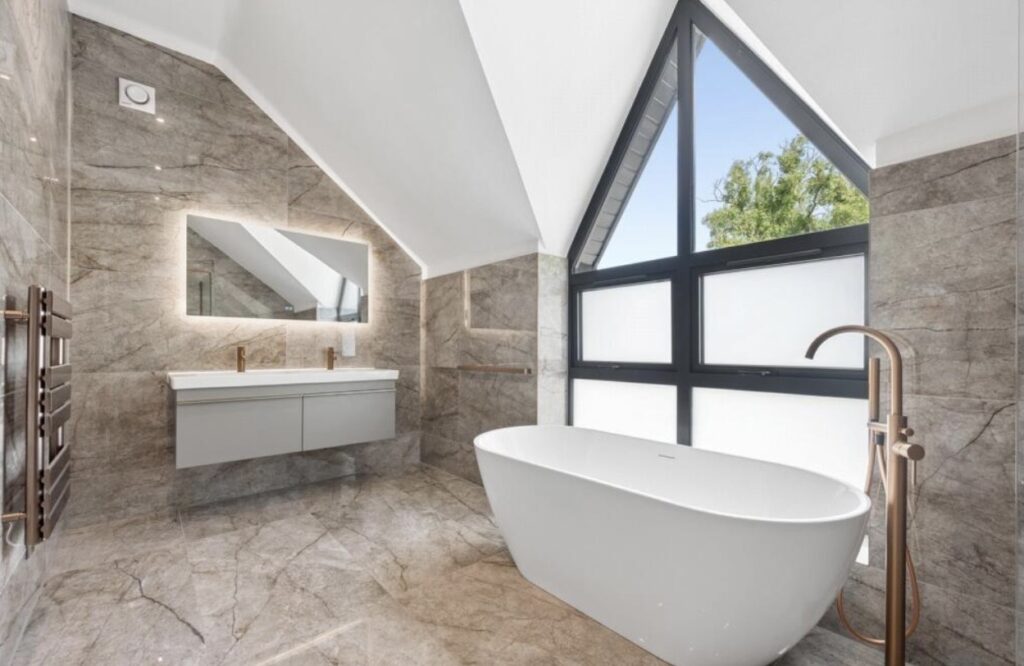
selected projects.
Questions
frequently asked.
Do you actually cover all thirty of these towns?
Yes. Every town listed on this page is one we take work in, from Kingston upon Hull and the villages west of the city out to Scarborough, Harrogate, Leeds and Doncaster. If your address is not on the list but sits between two towns that are, ring us anyway. Village addresses are usually decided by the same authority as the nearest listed town.
Is there a travel charge for towns further from Hull?
We quote a single fee for the work, and travel is inside it. What we will not do is pretend that a project two hours away needs the same number of site visits as one down the road. The number of visits is agreed at the start and written into the quote, so it does not move later.
How many times will you visit the site?
At minimum, once for the measured survey before design starts, and then at the key construction stages during the build. On a straightforward extension that is usually a handful of visits. On a new build or a commercial fit out it is considerably more, and the schedule is set out before work starts rather than invented as we go.
Can the first consultation happen without a site visit?
The first conversation can happen on the phone or over a video call, and it often does. We can give you a sensible view on feasibility from photographs, a location and a description. What we will not do is produce drawings from that, because measured survey information is what stops a scheme falling apart at building regulations stage.
Which planning authority will decide my application?
It depends on the town. Hull City Council covers the city, East Riding of Yorkshire Council covers most of the towns east and north of it, City of York Council covers York, North Yorkshire Council covers Selby, Malton, Scarborough and Harrogate, Leeds City Council covers Leeds and Wetherby, City of Doncaster Council covers Doncaster and North Lincolnshire Council covers Barton-upon-Humber and Barrow upon Humber.
Do different councils really decide the same scheme differently?
They apply the same national framework, but each has its own local plan, its own householder design guidance and its own conservation area boundaries. That changes what is acceptable on materials, roof form, dormer size and how close you can build to a boundary. It is the main reason we read the local policy for your site rather than reusing a scheme that passed elsewhere.
You are based in Hull. Why should I use you in Harrogate or Leeds?
Because the thing that goes wrong on most projects is not distance, it is the gap between the person who designed it and the people who build it. We close that gap by doing both. If you would rather use a practice on your doorstep that hands the job to a contractor at the end of the drawings, that is a fair choice, and we will tell you so.
Do you take commercial work across the whole area?
Yes. Office fit outs, retail units, restaurants and mixed use conversions run in the same way as residential work, with the same architect on the job. Commercial projects usually need more site visits because the programme is tighter and the consequences of a delay are measured in lost trading weeks.
How quickly can you get to site for the initial survey?
Usually within a couple of weeks, and often sooner if we already have a visit booked in the same part of the county. We group visits geographically, so if you are in the same area as another live project the survey can often be brought forward.
What if my property sits in a conservation area?
Several of the towns we cover have historic centres that are likely to contain conservation areas, and York and Harrogate have a good deal of designated land. If your property falls within one, permitted development rights are reduced and the officer will scrutinise materials, window detailing and roof form far more closely. We check the designation before we design, not after.
Do you work south of the Humber?
Yes. Barton-upon-Humber and Barrow upon Humber are both on the list and both fall to North Lincolnshire Council, which is a different authority with a different local plan to anything on the Yorkshire bank. The bridge crossing is not the obstacle. The change of authority is the thing worth knowing about.
Can you take on a project outside these towns?
Often, yes. The list reflects where we regularly work rather than a hard boundary. Tell us the address and what you have in mind and we will give you a straight answer on whether we are the right practice for it, including whether the travel would make the oversight thinner than it should be.
Where We Work
Hull and the Villages West of the City
Where We Work
Beverley, Holderness and the Wolds
Where We Work
The Ouse, the Humber and South of the River
Where We Work
York, North Yorkshire and West Yorkshire
More Ways We Help
What We Do
tell us where the site is.
A free consultation, wherever you are on this list, and an honest view on what the local authority is likely to make of it.