
City of Doncaster Council
Planning Applications in Doncaster
Most of the refusals we are asked to rescue in Doncaster were avoidable. They come from drawings that leave a question open rather than from schemes that were never going to work. We prepare applications that answer City of Doncaster Council before it asks.
Applying in Doncaster
why applications actually get refused.
City of Doncaster Council determines applications across a large district that runs from the town centre out through suburban housing to a spread of outlying villages. The local plan is applied across all of it, and on householder work the reasons for refusal are consistently the same small set: overbearing impact on a neighbour, loss of light, overlooking, inadequate parking, and a design that fails to sit subordinate to the original building.
Every one of those is a drawing problem before it is a design problem. If the proposed elevation does not show where the neighbour's windows are, an officer cannot conclude that light is preserved, so they conclude the opposite. We put that information on the drawings deliberately, which removes the reason rather than arguing with it after the fact.
- Neighbouring windows and boundaries surveyed and shown on the drawings
- Daylight, overlooking and separation distances tested before submission
- Parking and turning drawn where the council will look for them
- Planning history of the property and nearby sites checked
- Officer correspondence handled by the person who drew the scheme
Our Process
how we work.
Site Visit
We measure the property and record the neighbouring windows, boundaries, levels and parking.
History Check
Previous applications on the property and nearby, because refusals close by tell you what to expect.
Feasibility
An honest view on whether the scheme passes, needs reworking, or needs no permission at all.
Drawings
Existing and proposed plans, elevations and sections, with the neighbouring context shown.
Submission
Design and access statement addressing the likely objections, submitted and taken through validation.
Determination
Officer queries and consultee responses answered, amendments negotiated, to the decision notice.
Doncaster
refusals are usually written in advance.
An officer refuses on the reasons available to them. If the drawings do not show the neighbour's window, the levels or the parking, the reason is already sitting there waiting to be used.
The Wider District
town centre and village are not the same case.
The district takes in Victorian and interwar housing near the centre, post-war and modern estates, and a number of outlying settlements with their own character, including former colliery villages with distinctive housing of their own. In the older cores of those settlements a conservation area designation may apply and the character of the area becomes a material consideration in its own right.
On the edges of settlements the question shifts again to where the boundary in the local plan runs, and to green belt where it applies. Extending an existing house within the green belt remains possible, but it is tested against whether the addition is disproportionate to the original dwelling, which is a policy argument rather than a design one. We establish which of those conversations you are in before drawing.
- Settlement boundary and green belt position checked for the address
- Conservation area and listed building checks where they apply
- Proportionality against the original dwelling assessed properly
- Materials matched to the immediate street rather than the district
If You Have Been Refused
the decision notice is the instruction sheet.
A refusal is not the end of the scheme. The notice sets out numbered reasons, and those reasons tell you precisely what has to change. In most cases the objection is to a specific element, the depth, the height, a window position, rather than to the principle of extending at all, and a revised scheme that addresses each reason in turn can be resubmitted.
There is normally no further council fee for one resubmission of a similar application within twelve months of the decision, which makes a properly considered second attempt far cheaper than an appeal. Appeals take months and are decided on the same policy the council already applied, so they are a last resort rather than a first response.
- Refusal reasons read against the policies actually cited
- Revised scheme designed to answer each reason specifically
- Free go resubmissions used where the timing allows
- Appeals advised on honestly, including when not to bother
Recent Work
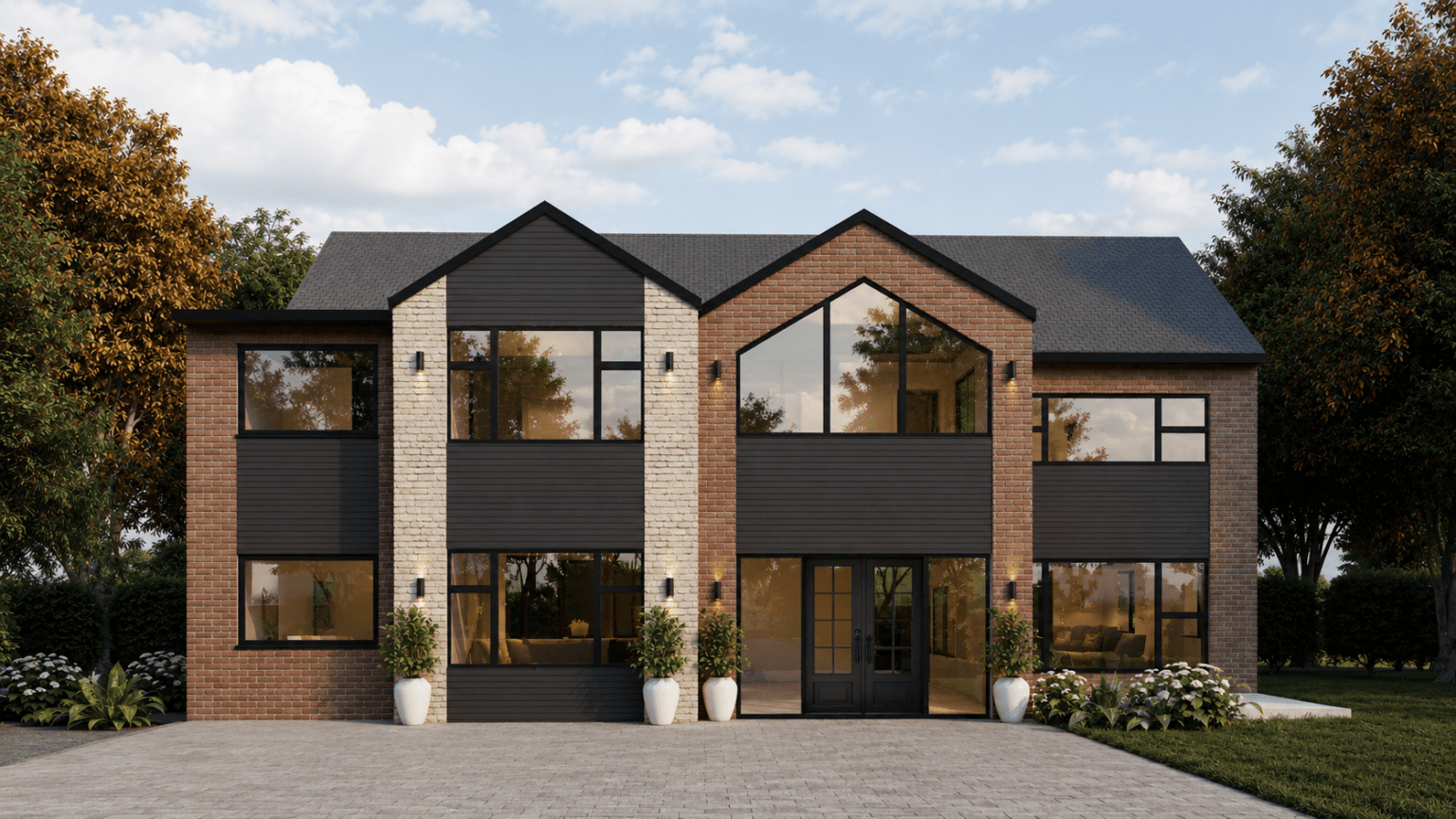
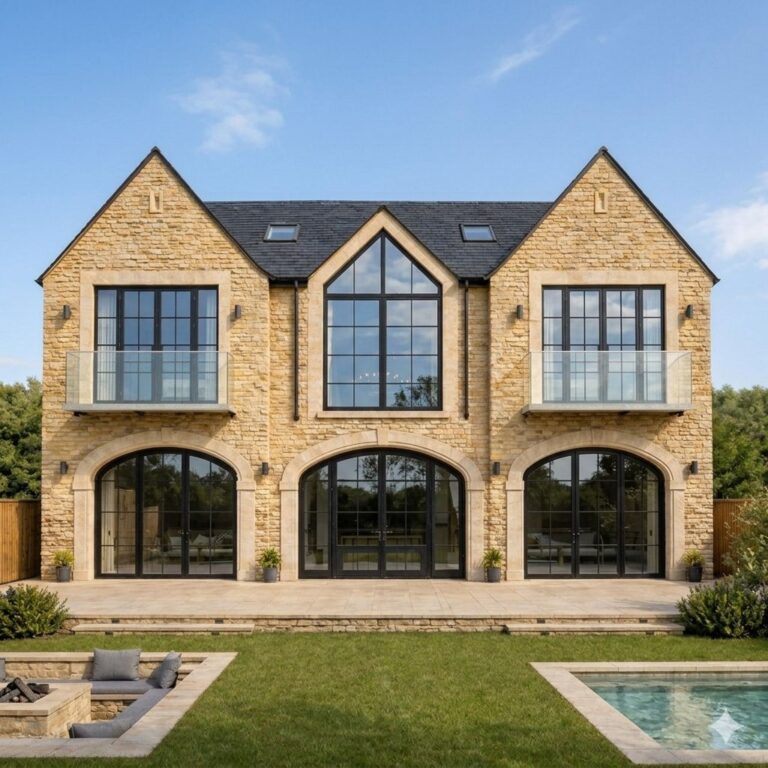
projects near doncaster.
Questions
planning applications in doncaster, answered.
Which council decides planning applications in Doncaster?
City of Doncaster Council. It is the unitary authority for the whole district, covering the town centre, the suburbs and the outlying villages, and it applies its own adopted local plan across all of it. We submit through the Planning Portal and pick up the case officer correspondence.
My application was refused. What are my options?
Read the reasons first. They are numbered and specific, and they tell you what has to change. In most cases a revised scheme addressing each reason can be resubmitted, normally without a further council fee within twelve months, which is faster and cheaper than appealing.
Is it worth appealing a refusal?
Sometimes, but not often on householder work. An appeal takes months and is decided against the same policy the council applied, so unless the refusal misapplied that policy the better route is usually an amended resubmission. We will tell you honestly which situation you are in.
Why do householder applications get refused in Doncaster?
Almost always for the same reasons: overbearing impact, loss of light, overlooking, insufficient parking, or a design that does not read as subordinate to the original house. All of them are addressable at the drawing stage, which is why the survey matters more than people think.
Is my house in the green belt?
It may be, particularly in the outlying villages and on the edges of the built up area. Green belt does not prevent extending an existing dwelling, but proposals are tested against whether they are disproportionate to the original building, so we check the position before designing.
How long will an application take?
The clock is eight weeks from validation on a householder application and thirteen on a larger one. Validation is separate from determination, and an incomplete submission can sit before the statutory clock starts, so we make the pack complete rather than sending what will do.
What does an application cost?
Two separate figures. A statutory council fee applies, set nationally according to the application type. Our fee covers the survey, the drawings, the statements and running the process through to determination. Both are quoted before any work starts and neither changes afterwards.
Do I need permission to convert my garage?
Often not, where the work is internal and the external changes are modest, but two things catch people. The first is whether a condition on the original consent requires the parking space to be retained. The second is whether losing it leaves enough off street parking for the council's standards.
Do you take on commercial applications?
Yes. Office fit-outs, retail, restaurants and mixed-use schemes are part of the practice's work. Commercial applications turn on use class, hours, servicing, parking and amenity, and the submission has to answer environmental health and highways rather than just look right.
Can neighbours stop my plans?
No. They are consulted and can comment, but comments are weighed against policy rather than counted. Overlooking, loss of light and noise are material. Loss of a view, construction disruption and objection to change in general are not.
Do you cover the villages around Doncaster?
Yes. The villages within the district fall to City of Doncaster Council on the same policy basis, even where their character is very different from the town. Goole and Selby to the north east sit with different authorities and different local plans.
Do you handle building regulations too?
Yes, as a separate approval. Planning deals with land use and appearance. Building regulations govern structure, fire safety, insulation, ventilation and drainage. On a garage conversion, for instance, the floor, the walls and the damp proofing are all building regulations questions rather than planning ones.
Where We Work
Planning Applications Nearby
Where We Work
Other Services in Doncaster
send us the decision notice.
A free consultation on a new scheme or a refused one, and an honest view on what City of Doncaster Council will accept.