
Walkington
Planning Applications in Walkington
Most people know what a planning application is and almost nobody knows what happens after it is submitted. Here is the sequence, and here is the part we take off you: consultation, parish comments, officer queries and the decision itself.
After You Submit
what actually happens to your application.
East Riding of Yorkshire Council first checks the submission is valid. That means the right drawings, a location plan with the site outlined, any required statements and the correct fee. Only then does the application get registered and the eight week determination period start. It is a dull step that regularly costs people a fortnight, which is why we take it seriously rather than treating submission as the finish line.
Once registered, the council notifies neighbours and consults the parish council and any technical consultees the site requires. A case officer visits, forms a view, and often raises a query or asks for a small amendment. That is the moment where an application is won or lost. Answering within days with an amended drawing usually keeps a scheme alive. Leaving it a fortnight can turn a query into a reason for refusal.
- Complete submission prepared to clear validation at the first attempt
- Neighbour and parish consultation responses monitored and answered
- Case officer queries answered inside the determination period
- Amended drawings issued quickly where the officer asks for a change
- The decision notice explained in plain terms, including any conditions
Our Process
how we work.
Site Visit
Measured survey of the property and the boundaries, levels and neighbouring windows around it.
Drawings
Existing and proposed plans, elevations and sections at the scale the council expects.
Validation
Submitted with the plans, statements and fee needed for the council to register it first time.
Consultation
Neighbours and the parish council are notified and given their period to comment.
Officer Stage
The case officer visits, raises queries and we answer them inside the determination period.
Decision
Delegated decision or committee, with amendments negotiated rather than left to chance.
Walkington
submission is the middle, not the end.
Validation, a consultation period, a site visit by the case officer, consultee responses, then either a delegated decision or a committee. Each of those has a point where a scheme can be helped or left to drift.
Who Decides It
delegated decision or planning committee.
The great majority of householder applications are decided by an officer under delegated powers, without ever going near a committee. A case can be pulled into committee where there is a significant volume of objection, where the parish council objects on planning grounds, or where a local member requests it. Committee adds time, because it has to wait for a meeting date, and it introduces a room of people who have not read the file as closely as the officer has.
The practical consequence is that keeping objections down is worth real effort. That means designing out the things people object to, and it often means showing the neighbours the drawings before the council's letter lands on their mat. A neighbour who first hears about a scheme from an official notice is far more likely to object than one who saw it over a fence a fortnight earlier.
- Objections designed out at the drawing stage where possible
- Advice on speaking to neighbours before the consultation letters go out
- Parish council comments addressed on planning grounds
- Representation prepared where a case does go to committee
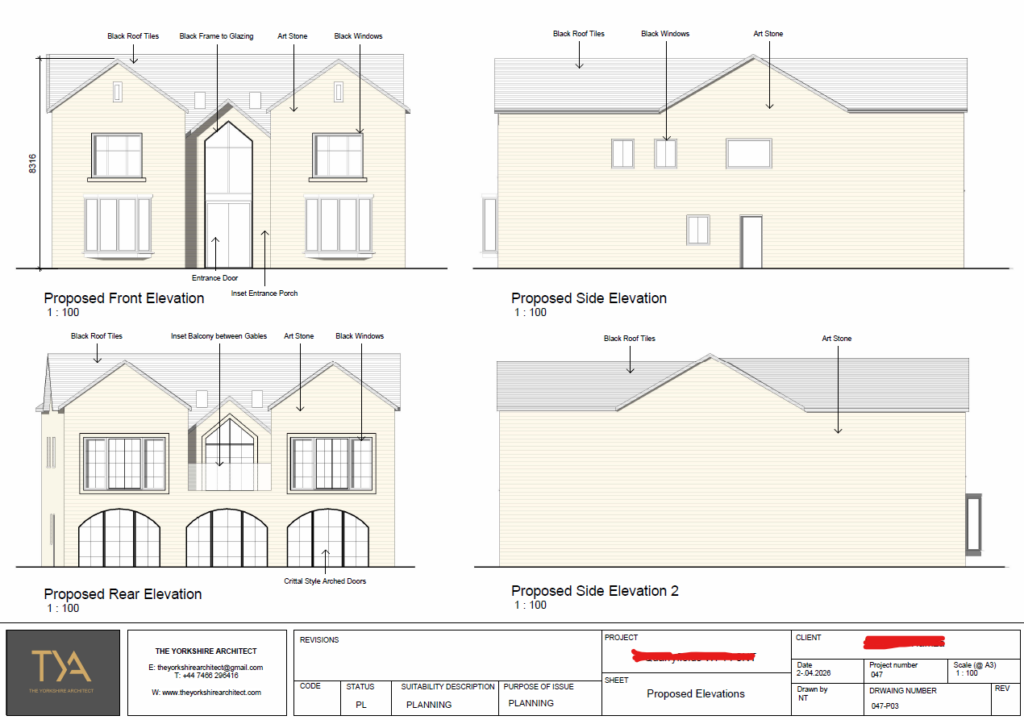
Applying in Walkington
a village a short distance from beverley.
Walkington falls to East Riding of Yorkshire Council, the same authority that determines applications in Beverley just to the north east, so the policy framework is shared even though the setting is not. The village has an older core with later housing around it, and as with most villages in the East Riding the assessment leans on character where a property sits among older buildings, and on the standard amenity tests where it does not.
If your property falls within a conservation area, permitted development rights are reduced and materials and roof form carry more weight. If it is listed, listed building consent is needed alongside planning permission. Both are checked against your specific address at the outset, because the difference between a village that has designated areas and a particular house being inside one is the difference between a routine application and a heritage case.
- Conservation area and listed building checks against your address
- Design tested against the immediate street rather than a village wide rule
- Full drawing set and statement prepared for East Riding of Yorkshire Council
- Permitted development assessed before a route is chosen
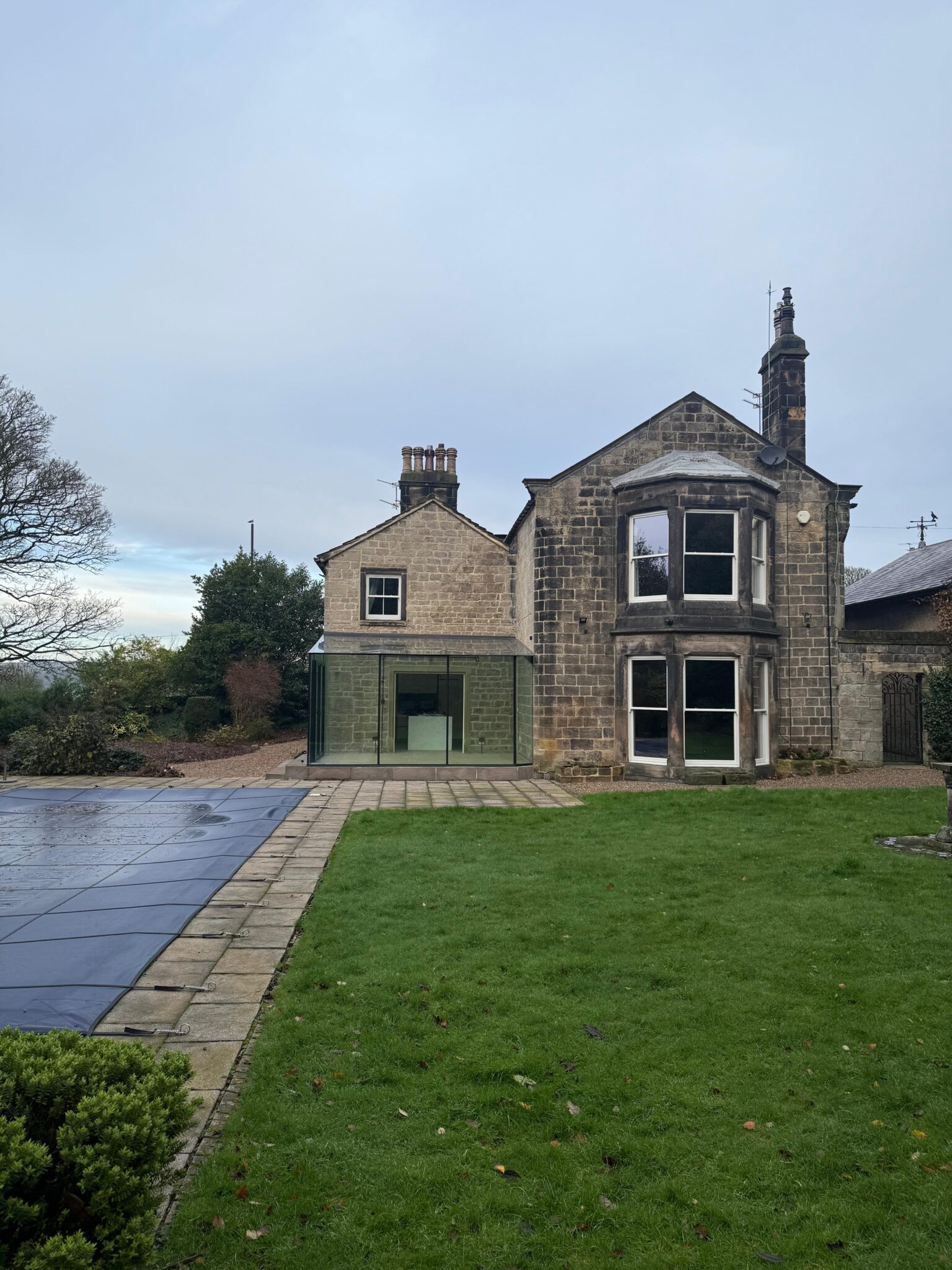
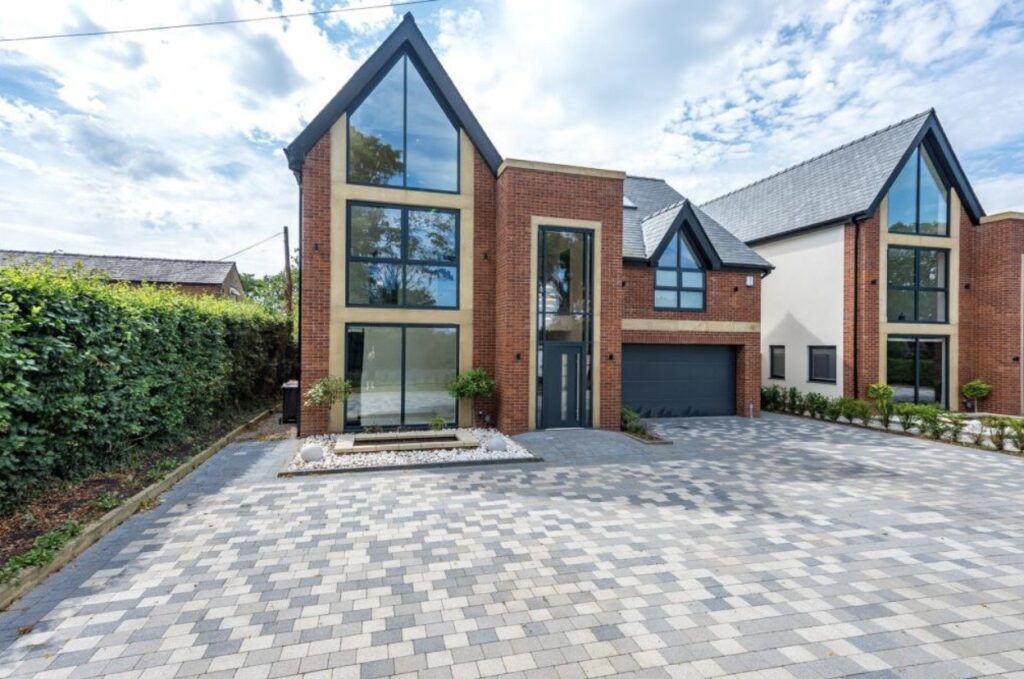
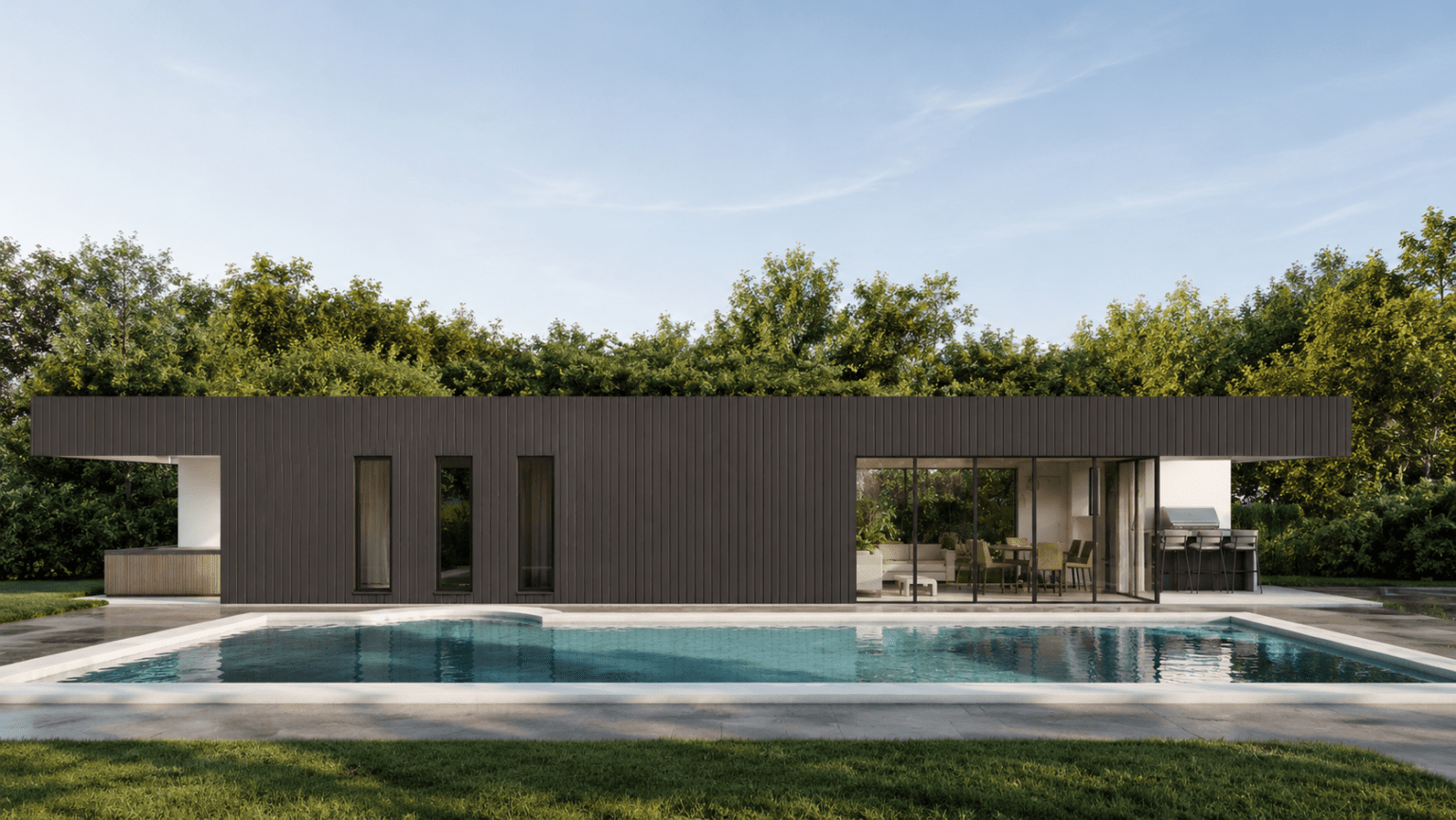
Recent Work
projects near walkington.

Questions
planning applications in walkington, answered.
Which council handles planning applications in Walkington?
East Riding of Yorkshire Council, the same authority that covers Beverley and the surrounding villages. It determines householder and full applications, listed building consent and lawful development certificates for the area.
Does Walkington Parish Council decide my application?
No. The parish council is consulted and its comments go on the file, but the decision rests with East Riding of Yorkshire Council. A parish objection carries more weight when it is expressed in planning terms, and it can be one of the triggers for a case going to committee rather than being decided by an officer.
What does validation mean and why does it matter?
It is the council's check that the application is complete: the correct drawings, a location plan with the site outlined in red, any required statements and the right fee. The eight week determination period does not start until the application is validated, so a missing document costs you real time.
How long do neighbours have to comment?
Normally twenty one days from the notification. Comments received after that are usually still considered if the decision has not been made, but the formal window is three weeks. Objections are weighed against policy rather than counted.
Will the case officer visit the site?
Usually yes, on a householder application. They will look at the relationship to neighbouring property, the street context and anything the drawings did not fully answer. It is one reason the drawings should reflect what is actually on site rather than what the deeds suggest.
What happens if the officer asks for a change?
It is normally a good sign, because it means they are looking for a way to approve the scheme. The right response is a quick amended drawing rather than a debate. We handle that inside the determination period so the application does not run out of time.
How long does the whole process take?
Eight weeks from validation for a householder application, thirteen for a larger one, plus a few weeks at the front for the survey and drawings. If a case goes to committee, add time for the next available meeting date.
How much does it cost?
The council application fee is set nationally by type of application. Our fee covers the survey, the drawings, the statements and managing the process through consultation and determination. We quote both figures before any work starts.
Could my property be listed or in a conservation area?
It is possible, particularly in the older part of the village, and both designations follow specific records and mapped boundaries rather than general impressions. We check your address before proposing anything, because designation changes both what can be done and which consents are needed.
What are planning conditions and do they matter?
They are the requirements attached to a permission, and they do matter. Some have to be discharged before work starts, typically materials, drainage details or landscaping. Building without discharging a pre-commencement condition can put the permission itself in question, so we go through the notice with you.
What if the application is refused?
The reasons on the decision notice are the route back. Most refusals concern one element rather than the principle of extending, so a revised scheme addressing them can normally be resubmitted, usually without a further council fee within twelve months.
Do you handle building regulations after planning?
Yes, and it is a separate approval. Planning covers land use and appearance. Building regulations cover structure, fire, insulation, ventilation and drainage. As an architect led design and build practice we can also oversee the work on site once approvals are in place.
Where We Work
Planning Applications Nearby
Where We Work
Other Services in Walkington
let us run the process.
A free consultation, a measured survey, and one point of contact from the first drawing to the decision notice.